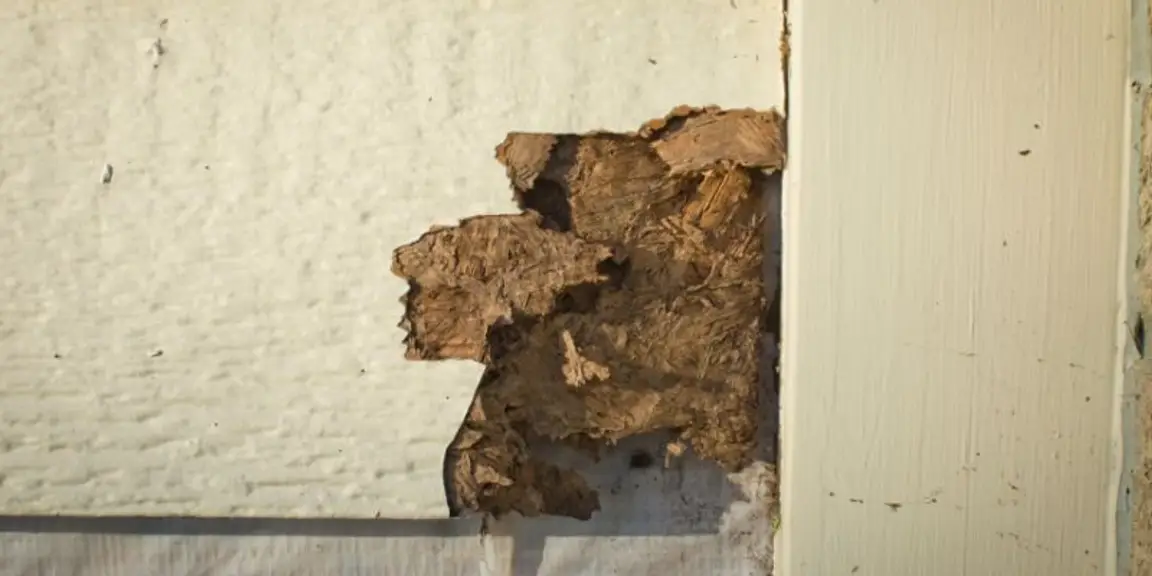

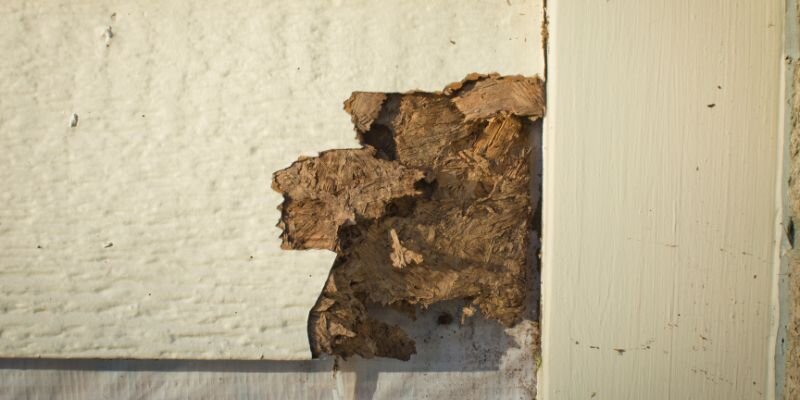
A seller called me on a Tuesday, practically whispering into the phone. She’d just gotten back from her own home inspection and found out she had an active termite colony chewing through the floor joists under her main bedroom. Her first question wasn’t about treatment. It was, “Does this mean I can’t sell?”
The answer is no. A termite problem does not kill your sale in Texas. But it does change your options, your timeline, and occasionally your net proceeds. What you do next matters a lot.
Yes, You Can Sell a Termite-Damaged Home in Texas
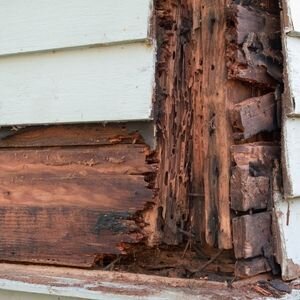
For years, I assumed sellers with pest problems needed to fix everything before listing. That assumption cost some of them real money, and months they didn’t have.
Texas law does not prohibit selling a home with a termite infestation. Buyers, lenders, and investors buy termite-damaged properties here every week. The statewide median home price, according to Redfin data through May 2026, is around $343,000, and many of those transactions involve properties with pest history. A disclosed termite issue doesn’t automatically send buyers running in an active market; it just reshapes the negotiation (sometimes in your favor).
What actually kills the sale isn’t the termites. It’s the surprise. Buyers who discover undisclosed pest damage in a home inspection report walk. Informed buyers who know upfront what they’re dealing with can price it in, ask for repairs, or accept the property as-is. Transparency is your best tool here, not a fresh coat of paint over damaged trim.
The Reeves family in Pflugerville learned this lesson the hard way. Two weeks ago, I sat with them at their kitchen table and watched them open a contractor offer to replace termite-damaged supports under their breakfast room addition. The offer was higher than the cost of building the addition itself. They’d already turned down two offers because they wanted to address everything first, which cost them months of carrying costs they hadn’t budgeted for. Once they stopped that approach and priced the home to reflect its current condition, we got it under contract in under two weeks.
This story plays out constantly across Central Texas, from Pflugerville down to Kyle and out to Bastrop. If you’re wondering how much it costs to sell a house in Texas, understanding the fees, commissions, and closing costs ahead of time can help you avoid expensive surprises.
What Causes Termites in Texas Homes?
My phone rang on a Friday afternoon, and the caller was a homeowner in Pearland who’d just discovered what looked like sawdust under his back stairs. It wasn’t sawdust. His neighbor had dealt with the same thing six months earlier.
Subterranean termites find practically a paradise in Texas. The warm soil, high humidity along the Gulf Coast, and the abundance of wood-framed construction give colonies everything they need to grow fast and spread wide. Texas ranks among the top five states for termite activity nationwide, with subterranean species causing hundreds of millions of dollars in property damage every year. The Formosan subterranean termite, which is common in the Houston area and along the coast, is particularly aggressive. A well-established Formosan colony can work through structural wood faster than any other species found in the state (I’ve seen the damage firsthand in pier-and-beam foundations).
Soil moisture is a giant driver. Homes with poor drainage, leaky irrigation lines, or wood mulch piled against the foundation are giving termites exactly what they want. Older neighborhoods in Houston’s Eastwood district, the older bungalows in San Antonio’s Mahncke Park, and the mid-century ranch homes scattered through Fort Worth’s Fairmount area are all prime candidates because those houses were built before treated lumber and soil pre-treatment became standard practice.
Sellers often overlook that attached wood fences, wood decks built against the house, and old landscaping timbers can all serve as bridges that bring termites right to your foundation. The pest problem does not always start inside the house.
How Do You Know If Your House Has Termites?
The idea that you’ll see termites swarming around your house before any real damage occurs falls apart pretty quickly in practice. By the time swarms are visible, the colony has typically been established for years.
Mud tubes are the most reliable sign, and most homeowners don’t know what they’re looking at until someone points one out. These pencil-thin tunnels of packed soil and wood particles run along foundation walls, piers, or the inside of crawl spaces. Termites build them as protected highways between the soil and the wood they’re consuming. Tap any piece of wood near the foundation with a screwdriver handle (the butt end works best). A hollow thud instead of a solid knock tells you something has been eating from the inside.
A professional pest inspection typically runs between $100 and $200 and provides a written report documenting exactly where activity was found, which species are present, and the recommended treatment. Get one before you list, period. Buyers are going to request one anyway, and having your own report lets you control the narrative rather than react to someone else’s findings.
Blistered or buckled wood flooring, doors or windows that suddenly stick, and tiny piles of what looks like coffee grounds near baseboards are all signals worth investigating. Most Texas homeowners see these signs and assume moisture damage, which makes sense because termite activity and water damage can look nearly identical from the surface.
Texas Disclosure Laws for Termite Damage When Selling

Take a moment with me here, because this part is the most confusing for people.
Texas requires sellers to complete the Texas Seller’s Disclosure Notice, a document mandated by the Texas Property Code. Section 5.008 of that code covers properties with one to four residential units and specifically asks whether the property has been treated for wood-destroying insects and whether there are any known structural defects. You’re legally required to answer those questions honestly.
Trying to hide a known termite history in Texas is not just a negotiation risk; it’s a legal one. Buyers who discover undisclosed pest damage after closing have pursued legal remedies against sellers and their brokers. Texas law is pretty clear about what sellers knew or should have reasonably known.
What the disclosure form does not require is perfection. You don’t have to have the problem resolved before selling. You disclose what you know, the buyer factors that into their offer, and the transaction moves forward. Realtors and brokers in Texas will help you fill out the form, but you must provide the information because you lived in the house. No one can fill in the boxes on your behalf based on guesswork.
One thing that gets left out of most conversations: if the previous owner disclosed a termite history to you when you bought the house, that prior treatment history is relevant too. Pass it along.
How Much Does Termite Treatment and Repair Cost in Texas?
What’s this going to cost me? That’s always the first thing a seller wants to know.
Treatment alone in Texas runs anywhere from around $290 for a localized spot treatment on a smaller home up to roughly $1,150 for a full perimeter liquid application on an average-sized house. More extensive situations, such as active infestations requiring full fumigation or comprehensive barrier systems, can push the cost into the $3,000 to $8,000 range for severe cases. Severe infestations do get there, though most treatments don’t land at that point.
Termite damage repair is where the numbers really climb, with the average homeowner spending around $3,000 to fix what the bugs leave behind. Structural repairs to floor joists, load-bearing walls, or roof framing can easily exceed that figure once a contractor opens up the affected area. What looks like one damaged beam often turns out to be three or four once the drywall comes down (I’ve seen this firsthand on older pier-and-beam houses).
Most standard homeowner insurance policies in Texas do not cover termite damage. Because insurers classify it as a maintenance issue that the homeowner should have prevented, they do not cover it. It’s a frustrating answer when you’re staring at a repair bill, but it’s the reality. Termite warranties offered by licensed pest management companies are separate products, and some provide repair coverage if the colony reappears. The Texas Department of Agriculture regulates pest management companies in Texas.
Pest management companies in Texas are regulated by the Texas Department of Agriculture, and any contractor providing treatment should be licensed through that office. Unlicensed treatment is not just risky for your home; it could create liability if a buyer’s lender later requires documentation of certified pest control work.
How Termite History Affects Your Home’s Resale Value in Texas
So once the treatment is done and the paperwork is filed, your home’s value is back to where it started, right? Not quite.
Documented termite damage history tends to reduce a home’s perceived value by around 20% compared to similar properties with clean pest histories. The number varies by how severe the damage was, whether structural repairs were made, and what documentation exists. A home with a clear treatment record, a current termite warranty, and no visible structural compromise sells closer to market value than one with a vague or undocumented history.
According to recent HAR MLS data, Houston’s median home price is around $340,000, so a significant discount on a house at that price point represents real money. That math is part of why some sellers decide to invest in treatment and documented repairs before listing. In contrast, others choose to price the home to reflect its condition and move on quickly, and in my experience, the faster exit usually wins when repair costs are murky.
Buyers using conventional mortgage lending should know that lenders, especially those backing FHA or VA loans, often require a clear termite inspection report before approving the loan. Active infestations can actually stall or kill a financed transaction entirely. Cash buyers and investors don’t face that hurdle, which is one reason a company like Fast House Buyers Texas can move quickly on properties that traditional buyers with financing can’t. If you’re looking for a company that we buy houses in Texas, working with an experienced cash buyer can help you avoid lender delays and sell your property in its current condition.
Should You Repair Termite Damage Before Selling or Sell It As-Is?
“If I fix everything, I’ll definitely get full price.” That logic sounds reasonable, but it doesn’t hold up in most situations I’ve seen.
Repair costs are almost always underestimated at the start. A contractor’s initial walkthrough quote rarely survives first contact with the actual scope of work. Sellers who spend $10,000 fixing termite damage on a $280,000 house don’t automatically get $10,000 added to the sale price. The history still draws discounts from buyers, even after repairs. You’re gambling on getting dollar-for-dollar back, and that bet doesn’t always pay off.
The case for repairing first: if the damage is limited and well documented and the repair cost is modest, fixing it can open your buyer pool to include those with FHA or VA mortgage lending, expand competition, and nudge your price up. A clean pest inspection report with a transferable termite warranty is a genuine selling point.
The case for selling as-is: if the damage is extensive, the repair timeline is long, or your personal circumstances require a quick close, selling in its current condition to an investor or a direct buyer saves you the carrying costs, contractor headaches, and months of uncertainty. Ask yourself whether you actually have the cash and the time to manage a repair project before deciding, because I’ve seen sellers underestimate both. Many sellers who call me have already made that calculation.
The answer isn’t universal. It depends on the scope of damage, your timeline, and your financial situation.
Can You Sell a House with Termite Damage in Texas?
Buyers who finance through a conventional bank are not the only ones in the market, and sellers with pest issues have more options than most assume.
Lender requirements do not restrict cash investors and direct buyers. They evaluate the property in its actual condition and price it accordingly, rather than walking away because an appraiser flagged structural concerns or a loan underwriter won’t approve the file. For homeowners in Houston’s older neighborhoods like Garden Oaks or Woodland Heights, where pier-and-beam foundations are common and termite history is practically standard, the issue matters a lot. A traditional retail buyer might run from a disclosed infestation; a knowledgeable investor prices it in and proceeds. The same pattern shows up along the coast, where cash home buyers in Galveston regularly see older homes with a documented termite history.
The Texas real estate market saw homes sitting on the market a median of 67 days statewide in 2025, according to Texas REALTORS data, up about a week from 2024. For a property with termite damage and no current warranty, that average creeps even higher on the traditional market. Pricing the home accurately shortens that gap, but it requires honesty about what buyers are looking at.
Selling with termite damage is a transaction, not a confession. Disclose, document, and price appropriately. Buyers exist at every price point and for every condition.
What Are Your Best Options for Selling a Termite-Damaged Home Fast in Texas?
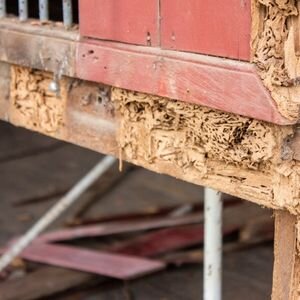
Sellers who wait too long trying to find the “perfect” approach often end up with fewer options, not more. Every additional month that a property is damaged means another mortgage payment, another insurance premium, and more time for the infestation to spread if it hasn’t been treated.
Your options basically fall into three categories. First, you repair the property, treat any issues, and list it on the traditional MLS through a broker. This path takes the longest, costs the most upfront, and has the widest buyer pool, provided you can meet the pest inspection requirements most lenders impose. Second, you list as-is on the MLS, disclose everything, and price low enough to attract buyers who are comfortable taking on the repairs themselves. The second option works, but it can lead to a long negotiation and investors cherry-picking at your lowest price. Third, you sell directly to a cash buyer or investor who specializes in properties in this exact condition (termite damage, deferred maintenance, all of it). If you’re considering that route but want to understand how our process works before making a decision, knowing what to expect can help you compare your options with confidence.
That third path is where companies like Fast House Buyers Texas come in. For homeowners searching for cash home buyers in Brownsville, selling directly means you can skip repairs, avoid financing contingencies, and close on your timeline. They buy properties with termite damage, pest history, deferred maintenance, and structural issues without requiring you to fix anything first. No lender inspections, no drawn-out repair negotiations, and no waiting on an appraiser to call pest damage a sale-breaker. For sellers who need speed and certainty over top dollar, that trade-off is the right one, and in my experience, it closes faster than most sellers expect.
Sarah Nguyen reached out from Katy on a Wednesday afternoon with a foreclosure auction date already set three months out. Her garage was stacked with her ex-husband’s construction equipment she hadn’t been able to move, and the home had an active infestation in the back bedroom wall that two previous buyers had walked away from after inspections. She’d missed three mortgage payments, and the lender wasn’t budging on the timeline. We closed before the auction date. She didn’t have to repair a thing, move the equipment, or coordinate with a pest control company. Sometimes the right answer isn’t the prettiest one; it’s the one that actually solves the problem.
Frequently Asked Questions
Is It Hard to Sell a House That Has Had Termites?
Selling a home with a termite history is more manageable than most people expect, as long as you handle the disclosure correctly. Buyers in Texas regularly buy homes with pest history, and many are comfortable purchasing a home that has been properly treated and documented. The challenge comes when damage is severe, lender requirements create obstacles, or the seller tries to hide the history.
How Much Does It Cost to Treat Termites in Texas?
Treatment costs in Texas generally range from about $290 for a basic spot application on a smaller home to well over $1,000 for a full liquid perimeter treatment. Severe infestations requiring fumigation or comprehensive barrier systems can reach several thousand dollars. Structural repairs to damaged wood are separate from treatment costs and are often more expensive.
Are termites a sale breaker when buying a house?
For buyers using FHA or VA financing, an active infestation often stops the loan process until the problem is resolved. Cash buyers and investors are far less deterred, since they aren’t subject to lender inspection requirements. A disclosed, treated, and documented termite history with a current warranty is rarely a hard sell for an informed buyer.
Do Termites Decrease Home Value?
Yes, a termite history typically pulls value down, with damaged properties often priced around 20% lower than comparable homes with clean pest records. The severity of the structural impact, the quality of the repair work, and whether a current warranty is in place all influence the amount of value lost. A well-documented treatment history with transferable pest management warranties reduces the discount compared to a property with no paper trail.
If you’re sitting with a termite problem and trying to figure out your next move, there’s no one-size-fits-all answer. But you don’t have to figure it out alone. Fast House Buyers Texas works with homeowners across the state, including properties with pest damage, deferred repairs, and complicated situations. Whether you’re dealing with termite damage, deferred maintenance, or another challenging situation, Fast House Buyers Texas works with homeowners across the state to provide straightforward, no-obligation solutions tailored to their needs. If you want to talk through your options, reach out. No pressure, no obligation.
Helpful Texas Blog Articles
- Guide To Leaving Your Texas Home Vacant
- Can You Sell a House That Failed Inspection in Texas?
- When Can I Sell My House After Refinancing in Texas?
- How to Sell a Condemned House in Texas
- Selling My Parents house in Texas
- How to Sell A House in Foreclosure in Texas
- Selling A House That Needs Repairs in Texas
- How Long Can Seller Stay in House After Closing in Texas
- How to Sell A House with Foundation Issues in Texas
- Can I Sell My House Below Market Value
- Is the Seller Responsible for Any Repairs After Closing?
- What Happens if a Seller Refuses to Close
- How To Sell an Apartment in Texas
- Can You Sell a House With Termites in Texas
- How Much Does It Cost To Sell a House in Texas