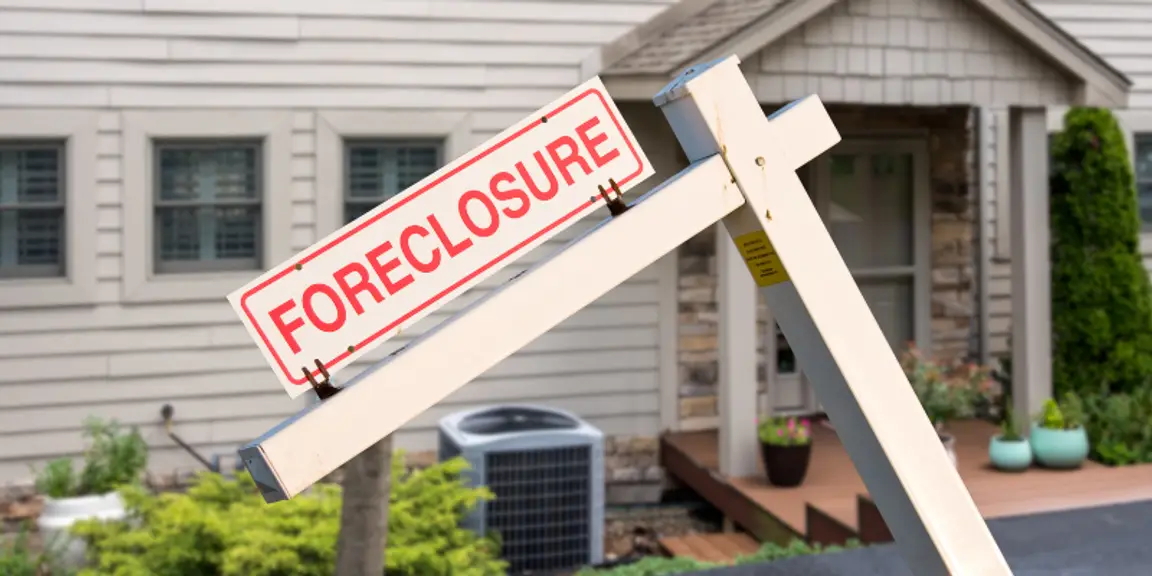


Facing foreclosure can be quite stressful, especially if you’re simultaneously trying to sell your home. It’s not just about money; it might also change how secure you feel and what you want to do in the future. If you don’t know them, the Texas procedure has its own rules, schedules, and expectations that can make things worse. The good news is that knowing how foreclosure works in Texas could help you deal with the situation in a big manner.
This guide is aimed at helping you understand and use things better. You won’t have to deal with complicated legal language; instead, you’ll get clear explanations of what to expect and what you can do. The result is affected by every stage of the process, from reading alerts and deadlines to making your house ready to sell. If you want to preserve your credit or just get on with your life without a lot of debt, it’s crucial to know what your alternatives are.
Losing your home doesn’t have to signal the end of your financial future, though. If you have the right information and take the initiative, you can make choices that will help you in the future. This is a wonderful place to start if you want to take back some control and move toward a more stable position.
Brief Overview
In Texas, the state’s non-judicial foreclosure system is usually faster than processes in other states when it comes to selling a house that is in foreclosure. Most of the time, the court isn’t involved, so homeowners need to pay great attention to every notice and deadline they get. If you miss even one step, it could be harder to catch up or find other solutions.
You need to be more ready than ever if you want to sell something. It might help if you make your house look nice, know what people want, and price it right. When people buy a foreclosed home, they usually want to close fast, so it’s important to make sure your plan fits their needs.
Not having a lot of money? Don’t worry—there are still good ways to make your home look better. A desire to change, a few small changes, and good communication can make a big difference. Once the house is sold, you should focus on rebuilding by fixing your credit, paying off any debts, and making a more stable financial plan. Getting help from professionals right away can make the whole situation less upsetting and easier to handle.
Key Highlights
- Texas features a non-judicial foreclosure process, which means that things usually go quickly and with minimal court delays.
- It is very crucial to fulfill all legal notice requirements to the letter to avoid complications during the foreclosure process.
- Making little adjustments and showing your home well might make it more enticing to potential buyers.
- You can sell better if you know what customers want, including speed and openness.
- After a foreclosure, the best thing you can do for your finances is to work on fixing your credit and getting your debt under control.
How to Know What’s Going On with Foreclosure in Texas
Before you can go through foreclosure in Texas, you need to know how it works. Things move faster in Texas because the courts don’t decide disputes. In other locations, you have to get court approval first. That speed can be too much to take if you’re not ready, which is why it’s so important to stay up to date.
Every homeowner should know about certain crucial milestones in the process. These include when and how notices are given, how long you have to respond, and what happens before the property is sold. In Texas, foreclosure sales normally happen on a set schedule, and once they start, there isn’t much time to put them off.
If you take the time to understand these steps, you won’t be caught off guard. It also increases your chances of making informed decisions—whether to delay the process, resolve the issue, or sell your house fast in Texas on your own terms before it reaches auction.
Important Steps in a Foreclosure Without Going to Court
In Texas, the non-judicial foreclosure process follows a rather established order. It usually starts when a homeowner misses a few payments on their mortgage. The lender issues a notice of default at such time. This is an official notice that the loan is late and needs to be paid off.
If the problem isn’t rectified by the deadline, the lender sends a notice of trustee sale to move things along. This paper notifies you when and where the property will be sold at auction. The law specifies that these letters must be sent out so that people who live in the residence have a fair chance to respond or do something.
The property will be sold at auction when the notice period is over. Foreclosure sales in Texas normally take place on the first Tuesday of each month. Then, the house goes to the person who bids the most, which is usually in a public place. People who own homes can keep track of where they are in the process and what options they still have if they know what each phase signifies.
How to Deal with a Quick Foreclosure
One of the saddest things about foreclosure cases in Texas is how quickly things can happen. Because the process doesn’t rely on the courts as much as many homeowners imagine, things can move considerably faster. This means you need to do something right away, as soon as you find out there’s an issue.
You can still make decisions, even when things are going swiftly. Some homeowners check into their financial choices, while others look into their legal ones, which might drag things along. The most important thing is to know that time is running out and to make choices quickly.
Whether you need to catch up on missed payments, speak with your lender, prepare to sell, or understand details like how long a seller can stay in the house after closing, taking action sooner rather than later can make a big difference. Waiting too long can make the situation more difficult and reduce the options available to you.
Ways to swiftly get out of a foreclosure scenario
You need to focus on realistic, time-sensitive steps if you want to get out of a foreclosure situation swiftly. One way to get your mortgage back on track is to reinstate your loan, which means paying the late amount. This isn’t always possible, but if you do it in time, it can stop the foreclosure process immediately.
You might also sell the property, which is sometimes possible with a cash buyer. When you have a deadline, cash sales are usually faster, which might be helpful. You will have a higher chance of finding a buyer quickly if you know how much your home is worth and set a fair price.
It might also be a good idea to check into legal options in some cases. Filing a lawsuit could delay the foreclosure for a short time if there are compelling reasons to do so. Following the rules and staying organized might also assist you in avoiding complications that are unnecessary. The greatest method to get the problem under control before it becomes worse is to make financial, legal, and practical strategies.
More things you can do to deal with foreclosure
- Take a good look at your money and develop a realistic budget to figure out how much you can pay for your mortgage.
- Get in touch with your lender as soon as possible to talk about options, including modifying the terms of your loan or setting up a structured repayment plan.
- Look into local or government-run services that might be able to help you.
- If you can, consider renting out a room in your home to get some extra cash.
- Get all of your mortgage and financial documents in order so that you are ready for any conversations or applications.
- Check out other possibilities, such a deed in lieu of foreclosure, that could help you avoid long-term money troubles.
- Know your rights so you don’t miss important deadlines or chances.
Giving Notice and Following the Law

Knowing the legal aspect of foreclosure in Texas is just as important as knowing the financial side. During the process, you must carefully observe several notice criteria. The purpose of these warnings is to let homeowners know what’s going on and give them time to respond.
The legislation says how long each step should take, from the initial notice of default to the last sale. You can get confused and miss chances to act if you don’t get these messages or don’t comprehend them. That’s why you should pay close attention to any paperwork you obtain.
You can better deal with your problem and not make it worse if you remember these things. It also helps you get ready for what comes next, whether it’s correcting the problem or moving forward with the sale.
How to Fill Out and Follow the Rules
In foreclosure instances, paperwork is highly critical. The first thing to do is to mail the notice of default, which tells the homeowner that they are late on their payments. This step is important and gets everything else going.
If the default keeps happening, further reminders are sent out to keep things moving. There are rules that these alerts have to follow, like when and how they should be sent. Mistakes at this step could slow things down sometimes, but if they aren’t fixed right away, they can also make things more confusing.
In the end, all of the notices lead to the foreclosure sale, which usually happens at the county courthouse. Being organized and keeping track of deadlines could help you stay calm and do the right thing at every step.
Preparing Your Home for a Foreclosure Sale
Even if your property is in foreclosure, how it looks and feels can still affect buyers. If you put in the time and effort to get the property ready, it will sell faster and for more money. You don’t have to spend a lot of money, but small things can still make a significant difference.
Think about it from the buyer’s point of view. It’s easier to visualize living in a clean, well-kept home, even if the house is being sold under harsh conditions. First impressions are still crucial, especially in places where there is a lot of competition.
You may make your property stand out by making modest modifications and making it seem better overall. Even if the house is under foreclosure, this could make people want to buy it more and raise the price.
Making things look better and getting the most out of it
You don’t have to spend a lot of money or work hard to make your home look better. Cleaning, getting rid of things you don’t need, and taking down personal items are all good places to start. This makes the region more neutral, which will bring in more buyers.
Even small modifications can have a significant effect. A fresh coat of paint, new fixtures, or other repairs can make the property feel more cared for. Keeping the yard tidy and doing small landscaping can make the outside of the house look better.
These features help boost the perceived value, which is especially important in foreclosure sales because buyers are usually looking for deals. People will still notice a well-presented home, and it will make the sale go more smoothly.
How to Sell Your House When You’re in Foreclosure

It can be hard to sell a house that is in foreclosure, but if you do it the right way, you can still do it. The most crucial thing is to know what buyers want and make sure your plan meets those needs.
In these situations, a lot of clients want things to be quick and easy. That means being honest about the property, reducing delays, and making things as easy as possible.
Staying informed and prepared can help you sell your home before the foreclosure process reaches its final stage, and if you need a quick solution, we buy houses in Austin.
How to Have a Successful Sale
Knowing your target properly is often the key to success in a foreclosure sale. Most buyers want to close quickly, so it might benefit you to make your home ready for sale right away.
Offering incentives, like covering some closing fees or being flexible with deadlines, can also help get individuals interested. Being honest about the condition of the property will build trust and make problems less likely to happen later.
When buyers know that all legal requirements are being met and that experts are involved, they feel even more sure. All of these tips can make things move more easily and be more successful.
Looking for Possible Buyers at Foreclosure Auctions
You need to grasp how foreclosure sales work and what makes purchasers desire to buy in order to find the right buyer. Many of them are investors or people looking for a good deal, so they often put speed and value first.
Putting your property in a way that meets these demands can help you do well. This involves being clear about prices, making sure everyone knows what’s going on, and getting ready in the right way.
Following the law also makes sure that everything goes well and that there aren’t any complications that don’t need to happen.
Knowing what buyers want and how the law works
People who are in foreclosure frequently prefer to buy homes that are easy to get and don’t take long. Cash transactions are especially appealing because they speed up the process of securing a loan.
You need to be honest about the state of the property. It helps individuals know what to expect and builds trust, which can help them make decisions faster.
You also need to know about the law. If you know how timetables, notices, and sales procedures work, you can stay in compliance and avoid complications.
Things to Think About After Losing Your Home
The next stage is to figure out what to do after the foreclosure process is over. This stage can be hard, but it’s also an opportunity to start over and build up again.
You can still have expenses to pay, and your credit score could go down. If you deal with these issues in an organized way, you will get better faster.
If you plan ahead and stay proactive, you may go forward with more confidence and steadiness.
Taking care of things after and putting them back together

It may take some time to get back on your feet after a foreclosure, but it is possible if you have the right mindset and do the right things. Taking care of your credit is the first step because it will have a huge effect on your future financial choices.
You may get back on track by paying off debts you already have and not taking on new ones when you can. When you talk to lenders and banks, it’s also straightforward to keep track of any remaining debts.
Making a realistic budget and focusing on saving will help you slowly rebuild your financial base. It could be challenging, but it can teach you essential things that will help you make better decisions in the future.
Selling a home in Texas while facing foreclosure can feel overwhelming, but it doesn’t have to be. Understanding the process, staying organized, and acting quickly can make a big difference in the outcome. Getting guidance from experienced professionals—like Fast House Buyers Texas, which buys houses for cash—can help you navigate the situation with more confidence. With the right approach, you can move past this challenge and work toward a more secure financial future, so contact us today to get started.
FAQs:
What happens in Texas when a home goes into foreclosure?
Texas features a non-judicial foreclosure process, which implies that it normally moves more quickly and has fewer court steps. There is a notice of default, then a notice of trustee sale, and then an auction on the first Tuesday of the month.
What can individuals in Texas do to make their homes appear nicer when they are in foreclosure?
Cleaning, getting rid of clutter, and making small modifications are all simple methods to make your home look better. Even simple changes could help bring in buyers and make the property seem more valuable.
How can Texas homeowners make sure they follow the procedures for foreclosure?
You need to know about deadlines and alerts that are coming up. It’s easier to avoid complications when you know how the process works and do the right thing at each step.
What can Texas homeowners do to sell their homes quickly if they are in foreclosure?
You can attract people to buy your home by being honest, offering incentives, and having it ready to sell quickly. If you want to close quickly, cash buyers are often a good choice.
What should you do after a foreclosure sale in Texas?
Improve your credit, pay off your bills, and make a budget that you can follow to to help fix your finances. If you do these things, you’ll get better and go on.
Helpful Texas Blog Articles
- Guide To Leaving Your Texas Home Vacant
- Can You Sell a House That Failed Inspection in Texas?
- When Can I Sell My House After Refinancing in Texas?
- How to Sell a Condemned House in Texas
- Selling My Parents house in Texas
- How to Sell A House in Foreclosure in Texas
- Selling A House That Needs Repairs in Texas
- How Long Can Seller Stay in House After Closing in Texas
- How to Sell A House with Foundation Issues in Texas
- Can I Sell My House Below Market Value
- Is the Seller Responsible for Any Repairs After Closing?
- What Happens if a Seller Refuses to Close
- How To Sell an Apartment in Texas
- Can You Sell a House With Termites in Texas
- How Much Does It Cost To Sell a House in Texas