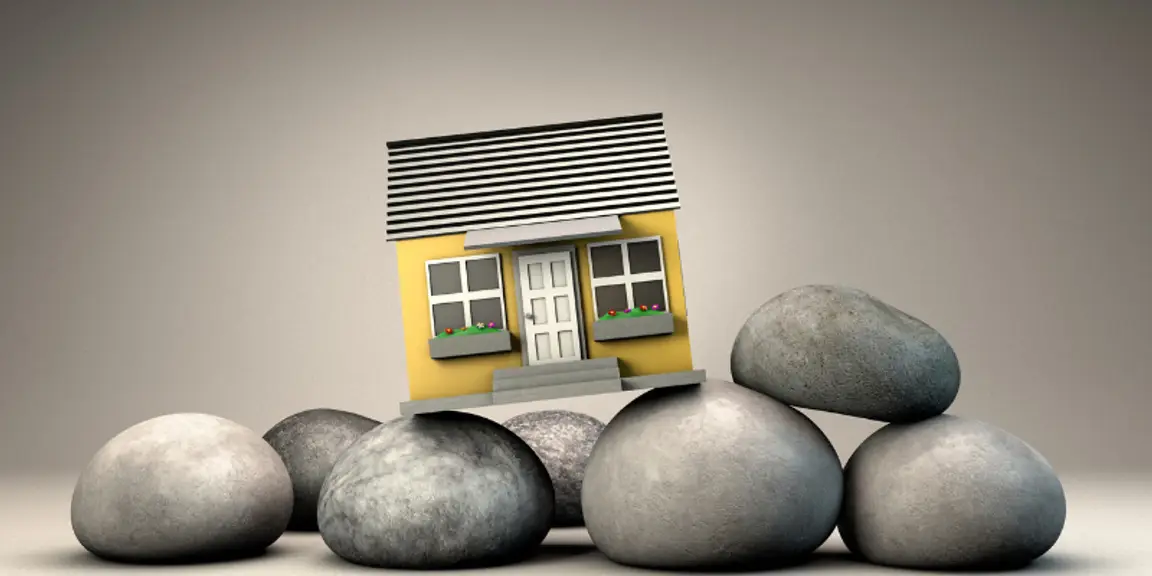

Selling a house with foundation issues in Texas is hard enough, and finding new cracks can make the process even more stressful. Small cracks in the walls may sound insignificant initially, but when doors no longer close properly or floors begin to tilt, most homeowners begin to think about the impact these issues have on resale value. But foundation problems aren’t uncommon in Texas. They are pretty much a given in many sections of the state.
One of the main reasons many homes have structural movement is the Texas soil. Much of the state is underlaid with heavy clay and varies greatly with the amount of precipitation. In rainy seasons, the earth expands by absorbing water. It shrinks and contracts after long periods of heat and drought. This ongoing expansion and contraction puts strain on slab foundations. This produces movement that, over time, creates cracks, sticky doors, uneven flooring, separation in brick exteriors, etc.
The good news is that foundation problems don’t inevitably mean your home is unsellable. Houses with these problems sell in Texas every day. It’s usually about planning, pricing, and honesty that make a transaction go smoothly or frustratingly.
Common Texas Clay Soil Foundation Problems and Solutions
Foundation movement isn’t something new to Texas homeowners. The soil conditions in the state create the perfect atmosphere for it. Expansive clay is highly reactive to changes in moisture, which means the ground under your house is always moving around during the year. This movement may be slight to begin with, but over time, the constant swelling and shrinking put tremendous stress on the foundation.
That’s why homeowners will often notice warning signals like cracking drywall, flooring that isn’t level, gaps around windows, or doors that suddenly won’t latch. In many situations, these problems develop slowly enough that homeowners normalize them until the indications are too clear to ignore. What may start as a cosmetic nuisance can ultimately be a symptom of deeper structural movement.
The mere presence of foundation concerns does not always frighten away many customers since these problems are so widespread in Texas. But what they really fear most is ambiguity. Buyers want to know how bad it is, what it will likely cost to repair, and if it’s something that can be managed or will keep occurring.
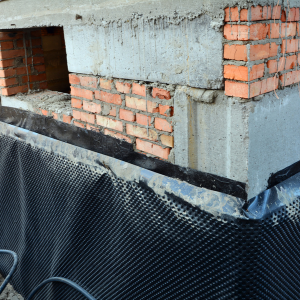
Cracks in Foundations: Minor vs Major Structural Problems
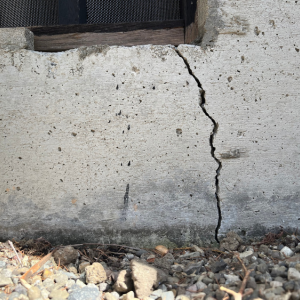
Every fracture does not automatically mean tragedy. Over time, many homes will develop minor cosmetic fractures as materials age and settle. Small cracks in drywall are usually not problematic and may not be a sign of any significant structural problem.
But bigger cracks or some patterns may signify more serious movement. Typically, stair-step fractures in exterior brick, massive horizontal cracks, or obvious separation around doors and windows are more concerning. These problems are generally a symptom of uneven settlement or shifting of the foundation.
For most homeowners, it can be difficult to tell the difference between harmless cosmetic wear and signs of real structural issues. What may appear to be minor damage on the surface could actually point to deeper problems, while some visible cracks may look alarming but are only superficial. That’s why getting a professional appraisal before listing is so important—it helps you understand the true condition of your property and make informed decisions when you want to sell your house fast in Arlington.
Pre-Sale Foundation Inspections for Texas Sellers: What You Need to Know
Generally, it is a good idea to obtain your own inspection before you put your house on the market. Many sellers are reluctant, afraid that knowing more will somehow make things worse. In fact, the opposite is generally the case.
A certified foundation professional or structural engineer may analyze the severity of the movement and advise if repairs are needed, and give paperwork describing the problem. This puts you in the driver’s seat of the story rather than waiting for the buyer’s inspection to find the fault later.
Having an inspection in hand offers purchasers more confidence, because it takes part of the mystery out of it. Instead of guessing what the worst case would be, people can read a real report. This leads to more reasoned bargaining and fewer emotional responses.
Cost of Foundation Repair versus Selling As-Is
One of the greatest considerations that a seller makes is whether to address foundation problems before selling or sell as is. Your timeframe, your budget, and your appetite for project management have a lot to do with the answer.
Fixing first can occasionally maximize value. A properly repaired foundation with warranty documentation is significantly easier to market and may appeal to more traditional purchasers. If the cost of repair is reasonable and the seller has the time, this option can be financially feasible.
On the other hand, repairs are expensive and uncertain. Initial estimates are not usually the actual price, especially when other structural issues surface once construction begins. For homeowners who need to sell quickly, don’t have the cash to make repairs, or simply want to avoid the headache of dealing with contractors, selling as-is may be the better option.
Selling as-is usually means a lesser price, but it also eliminates repair risk and gives you a speedier, cleaner transaction.

Texas Foundation Requirements for Disclosure of Damage
Texas law mandates sellers to disclose known material flaws, and foundation problems certainly fit that description. One of the most dangerous moves a seller can make is to try to conceal structural problems.
Even if buyers don’t see the problem when they first walk through the door, it will probably come up during inspection or appraisal. Once this happens, the sale can get much more complicated and acrimonious than if the seller had just revealed the problem upfront.
In general, transparency is the preferred policy. Buyers are often willing to accept known difficulties when expectations are clearly defined from the beginning. Full disclosure helps establish trust, creates smoother transactions, and protects sellers from potential legal issues after closing. This is especially relevant in the we buy houses in Texas housing market, where many buyers are open to purchasing properties in as-is condition as long as they have accurate information upfront.
Pricing Strategies for Homes with Foundation Settlement Problems
Selling a home with foundation difficulties takes reality. Buyers expect some kind of reduction for structural issues, and pricing too aggressively typically results in postings going stale.
A good pricing technique begins by looking at comparable surrounding homes in similar condition but without foundation problems. Then modifications are made based on repair costs, perceived risk, and market competitiveness.
Buyers rarely only reduce their offers by the cost of the straight repair. They also consider ambiguity, inconvenience, and risk in the future. That means an $8,000 repair could lead to even bigger compromises from purchasers.
Proper documentation could close this pricing gap by reducing confusion and making the issue more quantified.
Texas Homes with Foundation Damage: Financing Problems for Buyers
Financing might be greatly complicated by foundation problems. Most lenders will be hesitant to lend if there are structural concerns, especially if the appraisal or the underwriting process raises safety or habitability red flags.
Government-backed loans like FHA and VA financing sometimes have tighter property restrictions. Traditional finance can be a little more flexible, though; even purchasers doing traditional financing can run into delays or repairs before a loan is approved.
As a result, homes that have foundation issues generally see a higher number of cash buyers, investors, landlords, and buyers looking to renovate. These buyers are not dependent on loan approval and generally can close more efficiently. Sellers in the Rio Grande Valley often start with cash home buyers in Harlingen for exactly that reason.
House Selling Tips for Homes with Known Foundation Problems
If you’re marketing a property with foundation problems, honesty is usually the best policy over avoidance. Buyers like to see things clearly, and listings that appear evasive tend to generate more skepticism.
Rather than sweeping the issue under the rug, sellers are typically better off addressing the problem head-on, while highlighting the property’s virtues. Still, a good neighborhood, new interiors, a huge lot, or a good school district might provide attractive value.
Presentation is important, too. A well-kept and attractive home seems less unsafe than a neglected one, even if it has structural problems. Buyer perception is affected by things like clean landscaping, fresh paint, and overall upkeep.
How To Find Cash Buyers For Houses With Structural Foundation Problems
Cash buyers are the best solution for most sellers. Investors and direct home-buying organizations typically don’t mind buying homes with structural problems since they know the economics of repairs and aren’t hampered by financing limits.
Selling to a cash buyer usually means quickness, certainty, and fewer contingencies. The sale price may be lower than that of a regular retail transaction, but the convenience makes the tradeoff advantageous for many vendors.
Selling to a company that buys houses cash is a particularly attractive solution for homeowners who are relocating, dealing with an inherited property, facing financial hardship, or simply need to sell quickly. When speed and convenience matter more than maximizing profit, Fast House Buyers Texas buys houses cash—contact us today.
FAQ
How difficult is it to sell a house with foundation issues in Texas?
It’s not unusual in Texas, but it can be more problematic. Because the foundation movement happens so often here, a lot of customers know about it. In general, it’s easier when sellers are honest with inspection reports or repair estimates and price the home appropriately.
What lowers home value the most when selling?
Foundation concerns can affect a home’s value as purchasers worry about the cost of repairs and future difficulties. Other severe concerns, such as roof damage, plumbing troubles, mold, or outdated systems, can also affect costs.
Can you sell a house with foundation problems in Texas?
Yes. In Texas, you can lawfully sell a home with foundation difficulties, provided that you disclose any known issues, such as past repairs, cracks, or structural reports.
What is the longest time to sell a house in Texas?
December and January are often the weakest months due to the holidays and lack of buyers in the market. However, properties with foundation difficulties can sell at any time with the right pricing and buyer strategy.
Should you sell as-is or correct foundation problems before selling?
It all depends on your budget and time frame. Repairs can help bring in more purchasers, but selling as-is may make more sense if you want to avoid the cost, delays, and trouble of construction.
Will buyers still make offers on a house with foundation problems?
Yes. This is the kind of home that investors, landlords, and seasoned buyers generally look for. Even a house with a shaky foundation can sell if it is priced correctly and purchasers know what they’re getting into.
Closing Thoughts
Of course, selling a house with foundation difficulties in Texas is more complicated than selling a move-in-ready property, but it’s definitely not impossible. Experienced buyers know that movement of foundations is a fact of life throughout the state.
The true obstacle is not the actual problem, but the uncertainty around it. Buyers are uncomfortable when they don’t know how serious the problem is, or what future costs might be like.
Sellers may successfully deal with foundation issues considerably more through competent paperwork, fair price, honest disclosure and finding the proper buyers. Whether you decide to repair the foundation before listing or sell it as is, the trick is to approach the transaction strategically, not emotionally.
Foundation problems can complicate the deal, but don’t have to ruin it.
Helpful Texas Blog Articles
- Guide To Leaving Your Texas Home Vacant
- Can You Sell a House That Failed Inspection in Texas?
- When Can I Sell My House After Refinancing in Texas?
- How to Sell a Condemned House in Texas
- Selling My Parents house in Texas
- How to Sell A House in Foreclosure in Texas
- Selling A House That Needs Repairs in Texas
- How Long Can Seller Stay in House After Closing in Texas
- How to Sell A House with Foundation Issues in Texas
- Can I Sell My House Below Market Value
- Is the Seller Responsible for Any Repairs After Closing?
- What Happens if a Seller Refuses to Close
- How To Sell an Apartment in Texas
- Can You Sell a House With Termites in Texas
- How Much Does It Cost To Sell a House in Texas